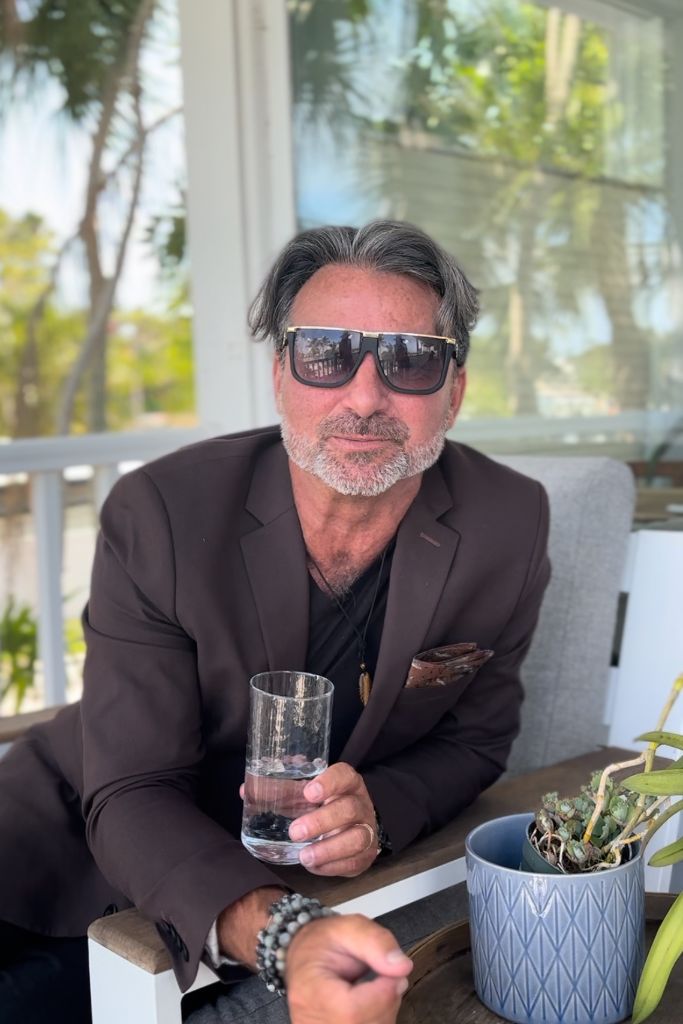
Let me reframe the conversation from the start: living to 100 is not the goal. Living to 100 with the energy of a 50-year-old, the mind of a 40-year-old, and the spirit of someone who still gets excited about every single morning — that is the goal. This distinction is everything. The science of longevity is no longer about adding years to life. It's about adding life to years. And the most extraordinary discovery of modern medicine is this: the gap between how fast you actually age and how fast you have to age is enormous — and almost entirely within your control.
In This Article
- The Biology of Aging: What's Actually Happening
- Lessons from the Blue Zones
- The 9 Hallmarks of Aging (and How to Target Them)
- Muscle: The Longevity Organ Nobody Talks About
- Hormones and Longevity
- Metabolic Health: The Foundation of a Long Life
- Social Connections: The Underrated Longevity Secret
- Dr. Luckie's 10-Point Longevity Protocol
The Biology of Aging: What's Actually Happening
To understand how to slow aging, you need to understand what aging actually is at the cellular level. At its most fundamental, biological aging is the accumulation of molecular and cellular damage over time — damage that overwhelms the body's repair systems and gradually impairs function.
The two most critical biological clocks you can influence are:
Telomere Length
Telomeres are protective caps at the end of your chromosomes — like the plastic tip on a shoelace. Every time a cell divides, telomeres shorten. When they run out, the cell stops functioning. Lifestyle dramatically influences the rate of telomere shortening.
Epigenetic Clock
Your epigenetic clock (measured by DNA methylation patterns) can actually run faster or slower than your chronological age. People with the same birthday can have biological ages decades apart. This gap is where lifestyle and medicine intervene.
Lessons from the Blue Zones
The Blue Zones — the five regions of the world with the highest concentrations of centenarians — reveal consistent patterns that science has since validated. These are Okinawa (Japan), Sardinia (Italy), Nicoya (Costa Rica), Ikaria (Greece), and Loma Linda (California). What do the world's longest-lived people have in common?
They Move Naturally All Day
Not intense gym sessions — but constant, low-level movement: walking, gardening, manual tasks. This keeps inflammation low, metabolism active, and joints mobile.
They Have Purpose ("Ikigai")
Having a reason to get up every morning — a deep sense of purpose — has been shown in multiple studies to reduce mortality risk by up to 83%. Purpose is medicine.
They Eat Plants Predominantly
Not exclusively — but beans, legumes, vegetables, and whole grains dominate their diet. Meat appears as a condiment, not a centerpiece. Caloric intake is moderate.
They Belong to a Community
Strong social networks and community belonging. Okinawans have "moais" — groups of five friends committed to each other for life. Social isolation is as deadly as smoking 15 cigarettes a day.
They Downshift Daily
Daily stress management rituals: prayer, meditation, ancestor veneration, napping. The physiological ability to return to calm after stress is the defining characteristic of resilient aging.
The 9 Hallmarks of Aging (and How to Target Them)
In 2013, scientists published a landmark paper identifying nine cellular mechanisms that drive aging. Every longevity intervention targets one or more of these hallmarks:
Genomic Instability
DNA damage accumulates with age. Antioxidant-rich diet, sleep (when DNA repair is maximal), and low chronic inflammation all reduce the rate of genomic damage.
Telomere Attrition
Shorter telomeres = biological aging. Exercise — particularly Zone 2 cardio and strength training — has been shown to activate telomerase (the enzyme that rebuilds telomeres).
Epigenetic Alterations
Lifestyle factors — diet, sleep, stress, exercise, and toxic exposures — directly modify gene expression patterns. A healthy lifestyle "rejuvenates" the epigenetic clock.
Loss of Proteostasis
Damaged proteins accumulate with age (linked to Alzheimer's and Parkinson's). Autophagy — cellular self-cleaning triggered by fasting and exercise — clears damaged proteins.
Deregulated Nutrient Sensing
mTOR and AMPK pathways regulate cellular aging. Intermittent fasting, caloric restriction, and metformin modulate these pathways in favor of longevity.
Mitochondrial Dysfunction
Aging mitochondria produce less energy and more reactive oxygen species. Red light therapy, NAD+ precursors (NMN/NR), and CoQ10 directly support mitochondrial health.
Cellular Senescence
Senescent "zombie" cells accumulate and secrete inflammatory compounds that damage neighboring cells. Senolytics (quercetin, dasatinib) and fasting help clear senescent cells.
Stem Cell Exhaustion
Declining stem cell activity impairs tissue repair. Exercise, hormonal optimization, and caloric restriction all preserve stem cell function longer.
Altered Intercellular Communication
Chronic inflammation (inflammaging) is the master disruptor of cellular communication. Every anti-inflammatory strategy you take is directly anti-aging.
Muscle: The Longevity Organ Nobody Talks About
If there is one biomarker that predicts longevity better than almost anything else, it's muscle mass and strength. Not aerobic fitness. Not cholesterol. Not even blood pressure. Muscle.
Here's why muscle is the longevity organ:
- Muscle is metabolically active — maintaining it burns calories and prevents metabolic disease
- Muscle stores glucose — the largest non-hepatic glucose reservoir, essential for metabolic health
- Muscle produces myokines — anti-inflammatory signaling molecules that protect the brain, heart, and immune system
- Muscle prevents sarcopenia — the progressive loss of muscle mass with age that leads to frailty and falls
- Grip strength (a proxy for overall muscle strength) is one of the strongest predictors of all-cause mortality in large population studies
After 30, we lose approximately 3-8% of muscle mass per decade without active intervention. Resistance training — heavy enough to be challenging — is non-negotiable for anyone serious about longevity.
Hormones and Longevity
The longevity literature increasingly recognizes hormonal optimization as a cornerstone of healthy aging. Consider:
- Testosterone in men: higher testosterone levels in aging men consistently correlate with lower all-cause mortality, reduced cardiovascular disease, and better cognitive outcomes
- Estrogen in women: the protective effects of estrogen on the brain, heart, and bones extend life. Early perimenopause treatment preserves these protections
- DHEA: this "mother hormone" declines dramatically with age. Supplementation under physician guidance supports immune function, body composition, and vitality
- Melatonin: beyond sleep, melatonin is a powerful antioxidant with direct anti-aging effects on mitochondria and DNA
- Growth Hormone / IGF-1: the youth hormone — declines 14% per decade after 30. Deep sleep and resistance training are the most potent natural stimulators
Metabolic Health: The Foundation of a Long Life
Virtually every chronic disease that kills people prematurely — heart disease, type 2 diabetes, Alzheimer's, cancer, and more — has metabolic dysfunction at its root. The five markers of metabolic health that predict both longevity and quality of life are:
Blood Sugar
Fasting glucose under 90 mg/dL; HbA1c under 5.3%. Chronic blood sugar elevation accelerates every aging pathway.
Waist Circumference
Under 35" for women, under 40" for men. Visceral fat is an endocrine organ that secretes pro-inflammatory, pro-aging compounds continuously.
Blood Pressure
Under 120/80 without medication. Elevated blood pressure silently damages arteries, kidneys, and brain over decades.
Triglycerides & HDL
Triglycerides under 100; HDL over 60. This ratio reflects insulin sensitivity and cardiovascular risk more accurately than LDL alone.
Social Connections: The Underrated Longevity Secret
The Harvard Study of Adult Development — the longest running study of adult life (over 80 years) — reached one unambiguous conclusion: the quality of your relationships is the single most powerful predictor of health and happiness in later life.
Strong social connections:
- Reduce stress cortisol levels through social buffering
- Protect cognitive function and reduce dementia risk
- Boost immune function through increased oxytocin
- Provide purpose, meaning, and the will to take care of oneself
- Create accountability and behavioral support for healthy choices
Dr. Luckie's 10-Point Longevity Protocol
Comprehensive annual labs
Hormones, inflammation, metabolic panel, nutrient status, cancer screening. Data drives decisions. No guessing.
Optimize hormones
Address any deficiencies in testosterone, estrogen, progesterone, thyroid, and DHEA under physician supervision.
Build and maintain muscle
Resistance training minimum 3x/week, progressively loaded. Protein 1g per pound of lean body mass daily.
Zone 2 cardio 150+ min/week
The most powerful intervention for mitochondrial health, inflammation reduction, and cardiovascular protection.
Extinguish inflammaging
Anti-inflammatory diet, red light therapy, omega-3s, and hormonal optimization combine to dramatically reduce chronic inflammation.
Protect sleep ruthlessly
7.5-9 hours of quality sleep. This is when every repair mechanism in your body activates. Non-negotiable.
Master metabolic health
Keep all five metabolic markers in optimal range. Consider intermittent fasting and a CGM to optimize blood sugar.
Strategic supplementation
Omega-3s, D3+K2, magnesium, NMN/NR, berberine, and curcumin form the evidence-based longevity supplement stack.
Nurture relationships
Intentionally invest in deep, meaningful connections. Quality over quantity. Community and purpose extend life as effectively as any pill.
Red light therapy
20-minute full-body sessions 4-5x/week provide mitochondrial support, anti-inflammation, cellular regeneration, and anti-aging benefits that compound powerfully over time.
"Aging is not a disease — but it is something that can be optimized. The goal isn't immortality. The goal is vitality. I want every patient to feel at 60 what they felt at 35, at 70 what they felt at 45, at 80 what they felt at 55. That is not a fantasy — it is the future of medicine. And it's available right now."
— Dr. Mark LuckieStart Living Your Longevity Blueprint Today
Dr. Luckie offers comprehensive longevity assessments that include full hormonal analysis, inflammatory profiling, metabolic testing, and a personalized protocol designed to add decades of vitality to your life.